For most Northwest Florida homes, a well-installed metal roof outlasts architectural shingles and handles wind and heavy rain better, but it costs noticeably more up front. Shingles cost less at the start and still perform well when installed to current Florida code. The right choice comes down to how long you plan to stay, how close you live to salt water, how many pines stand over the house and your budget. Below is how the two compare in Santa Rosa County conditions, from the pines around Milton to the salt air along Santa Rosa Sound.
Metal and Shingles Side by Side
| Factor | Architectural shingles | Metal (standing seam or screw-down) |
|---|---|---|
| Wind | Good when installed with the high-wind nailing pattern; edges and ridge are the weak points | Very good, especially standing seam with concealed clips |
| Heavy rain | Sheds water well; depends on flashing and underlayment | Sheds water fast; seams and fasteners must stay tight |
| Pine needles | Collect in valleys and hold moisture | Slide off more easily; still pile up in valleys |
| Summer heat | Absorb heat, especially dark colors | Lighter finishes reflect much of the sun |
| Salt air | Fasteners and metal flashing can corrode | Needs the right panel metal, coating and fasteners |
| Typical life here | Often 15 to 25 years | Much longer when maintained |
| Upfront cost | Lower | Higher |
| Repairs | Easy to patch and match | Panel repairs need the right profile and color |
Wind: What the Ratings Really Mean
Both materials sold in Florida carry wind ratings, and both can fail if they are installed poorly. A shingle's rating assumes the manufacturer's nailing pattern, starter strips at the eaves and rakes, and a sound deck. Miss any of those and the rating means little. After Ivan, Dennis and Sally, the typical shingle failures around Milton started at the edges and the ridge, where wind gets under the first course and peels upward.
Standing seam panels lock together over concealed clips, so there are no exposed fasteners for wind to work loose. Screw-down 5V crimp panels, common on Panhandle homes and outbuildings, rely on exposed screws through the panel face, which hold well when installed into solid decking and checked over the years.
Heavy Rain, Pine Needles and Summer Heat
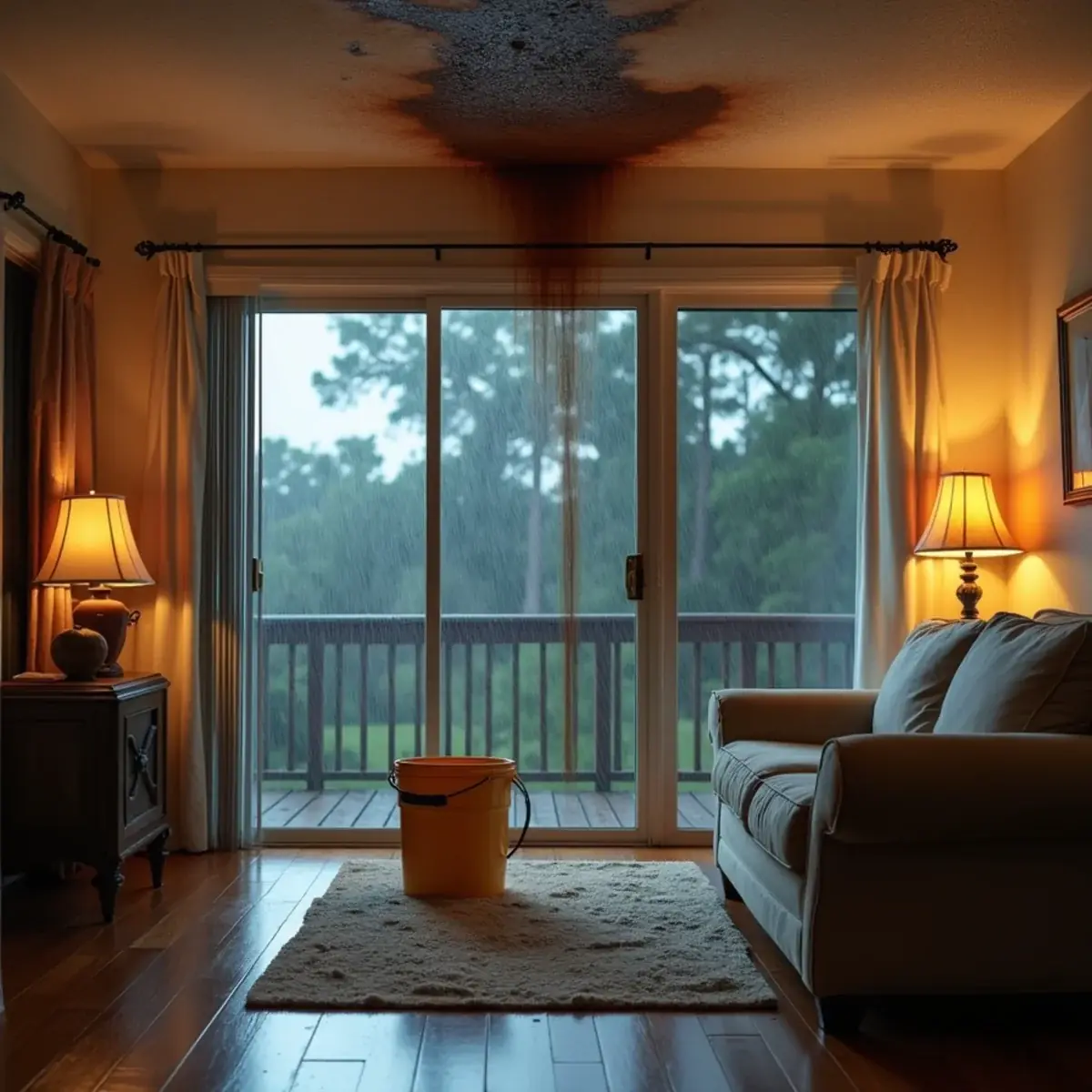
Milton gets well over 60 inches of rain a year, much of it in summer afternoon storms. Metal sheds water quickly and has fewer seams for wind-driven rain to find. Shingles depend more on the underlayment and on flashing at walls, chimneys and pipe boots.
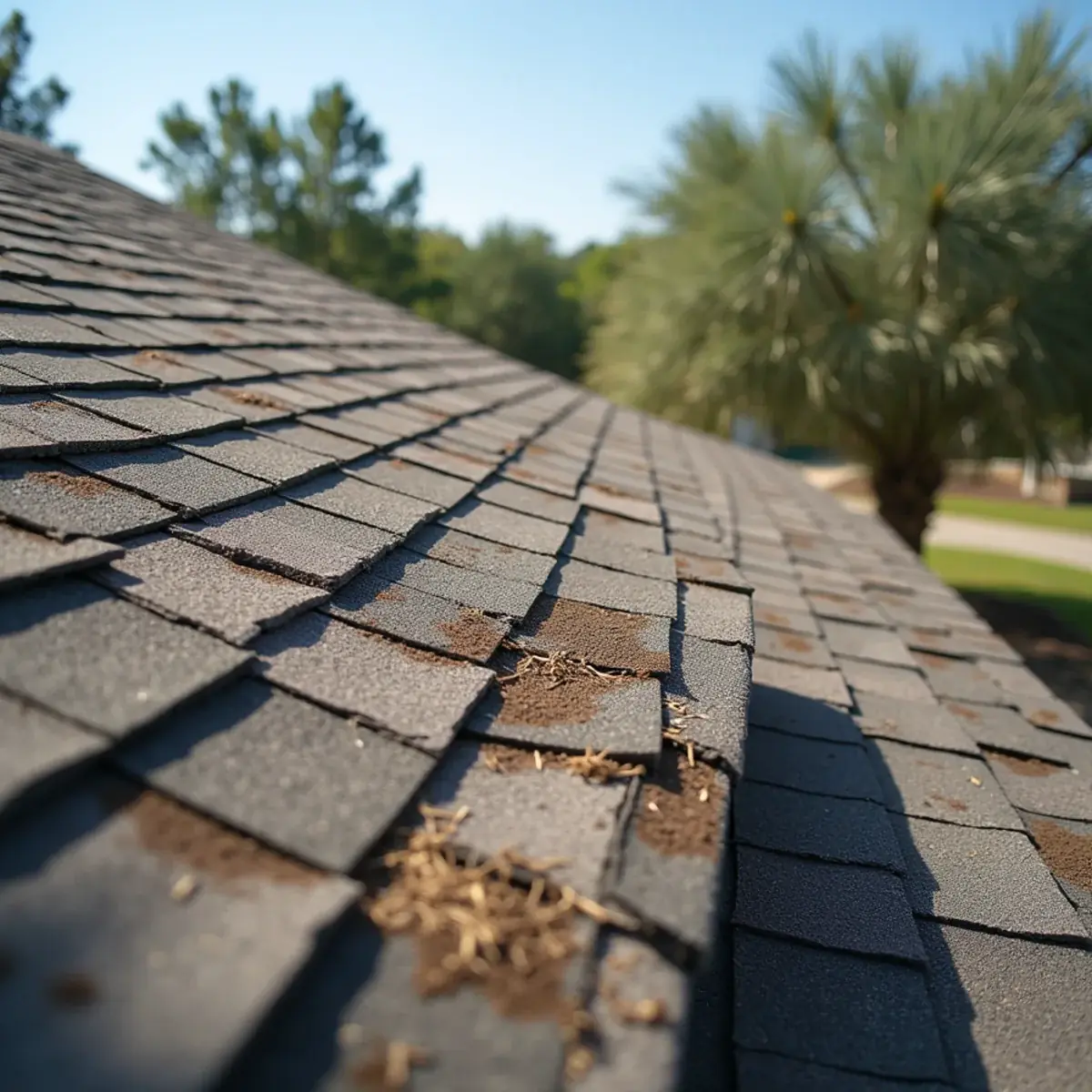
Pine needles are the local wildcard. On shingles they mat in the valleys, hold water and feed algae. On metal they slide off more easily but still pack into valleys and behind chimneys. Either way, trimming limbs over the roof cuts maintenance.
Dark shingles bake in a Panhandle July. Light-colored metal reflects a good share of the sun, which can ease attic temperatures. Attic ventilation makes as much difference as the roof color, so ask the roofer to check soffit and ridge vents on any reroof.
Salt Air Near the Sound: Fasteners and Coatings
Homes near Santa Rosa Sound in Navarre and Gulf Breeze live with salt spray and humid wind off the water. Salt eats exposed steel, so the details matter more than the material name.
- Fasteners: ask whether the screws or nails are stainless or carry a coating rated for coastal exposure.
- Panel metal: aluminum resists salt corrosion better than steel, and steel panels depend on their metallic and paint coatings.
- Coatings: high-grade paint systems hold color and resist chalking longer in coastal sun.
- Warranties: manufacturers often limit coverage within a set distance of salt water. Read the terms before you choose a panel.
Shingle roofs near the water have the same weak spot: drip edge, valley metal and nails can rust long before the shingles wear out.
Lifespan, Noise and Upkeep
Architectural shingles in this climate often last 15 to 25 years, depending on installation, ventilation, shade and storm history. A metal roof can last much longer when it is maintained. Screw-down panels need their fasteners and washers checked every few years, since the rubber washers age in the sun. Standing seam needs less, though sealants at penetrations still wear.
The noise question is mostly a myth for houses. Metal installed over solid decking and underlayment, with an insulated attic below, sounds much like any other roof in a downpour. The loud metal roof people remember is usually on a barn, with panels screwed to open purlins and nothing underneath.
Cost and Insurance: What Really Moves the Numbers
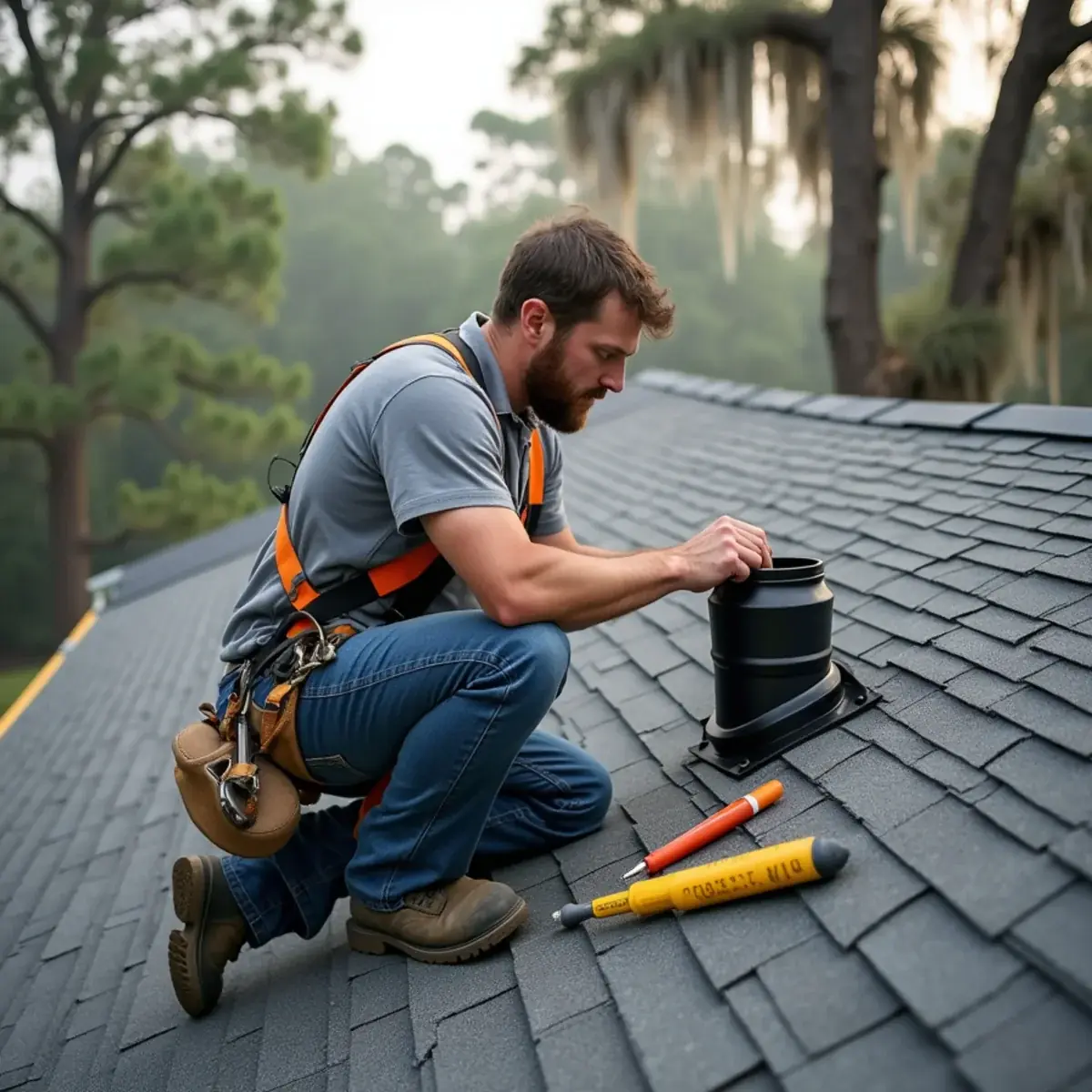
Metal costs more up front than shingles, and standing seam usually costs more than screw-down panels. Other things move the price on either roof: tear-off of old layers, rotten decking, deck re-nailing, roof pitch and shape, and the number of valleys, chimneys and skylights. The roofer we send gives you a written estimate before work starts. Our roof replacement page explains how a reroof is scoped and permitted.
On insurance, wind mitigation credits relate mostly to roof-deck attachment, roof-to-wall connections, secondary water resistance and roof shape, more than to the covering itself. Some insurers may weigh the material, so ask your agent before deciding. The wind mitigation form is signed by inspectors, contractors, engineers and architects with the right qualifications. A roofer's own roof inspection is a different document.
Florida code allows metal over one existing shingle layer only under specific conditions. Most Panhandle roofers recommend a tear-off so the deck can be inspected and re-nailed.
Which One Fits Your House: A Roofer's Decision Guide
After enough tear-offs in Santa Rosa County, the pattern is clear. The material matters less than the match between the roof and the house, the lot and the owner's plans. This is how a roofer usually talks it through:
- Subdivision home you may sell within ten years (Pace, Milton's Avalon corridor): architectural shingles installed to the high-wind pattern on a re-nailed deck. Lower cost, a fresh roof date for the next buyer's insurer, and they match the street.
- Home you plan to keep for the long haul: metal starts to win. Over 30 or 40 years it can outlast two shingle roofs, which makes up for the higher price at the start.
- Acreage lot under tall pines (East Milton and the north county): metal sheds needles and limbs better, and screw-down panels are easy to repair after a strike.
- On the Sound or the bay (Navarre, Gulf Breeze): either can work; the fasteners, flashing and coatings matter more than the material. Aluminum or heavily coated panels and stainless fasteners if you choose metal.
- Historic frame house (Bagdad, downtown Milton): 5V crimp or narrow standing seam suits the look, after the old sheathing has been checked.
Stone-coated steel is a middle option some owners ask about: metal panels with a granule finish that looks like shingles or shakes. It brings metal's longevity with a more traditional look, at a price that usually sits between the two. Ask how it is fastened and how the trim is detailed before deciding.
Older Frame Homes in Bagdad and Historic Milton
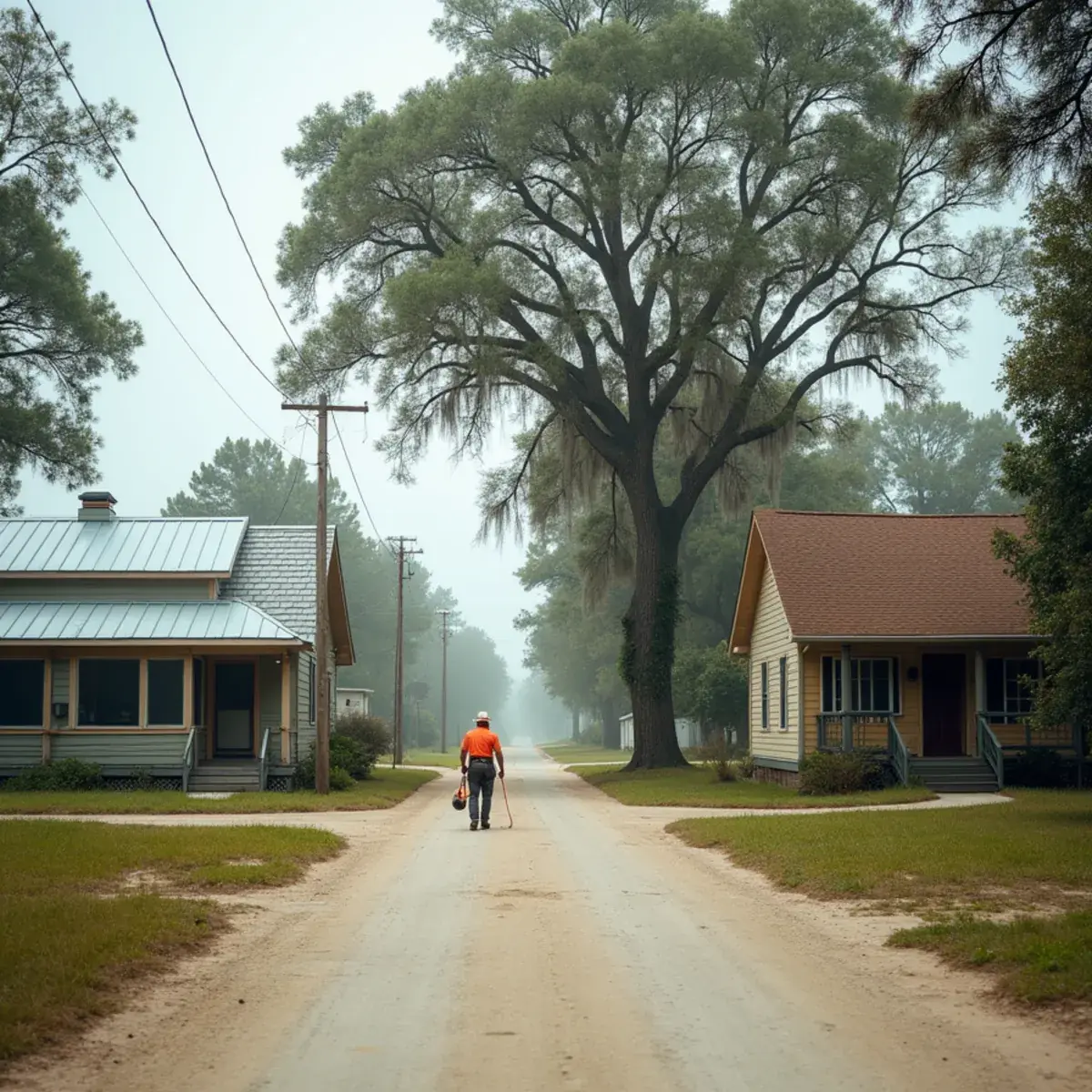
Metal roofing has a long history on Panhandle frame houses, including the older homes in Bagdad, many dating to the sawmill era, and in Milton's historic district. A 5V crimp or standing seam roof suits their look, and for many owners it is the natural choice. These houses can also hide plank decking with gaps, irregular rafter spacing or old patches, so the roofer may recommend new sheathing before any covering goes on.
If your home sits in a historic district, ask the county whether any review applies before you change materials or colors. Our metal roofing page covers panel types and installation, and the hurricane season roof checklist covers upkeep for either roof.
The Bottom Line
In Northwest Florida, shingles are the economical choice and perform well when installed to current code; metal costs more and usually pays it back in lifespan, wind and pine-straw performance. Near salt water, installation details decide the outcome more than the material. Decide based on how long you will own the house, what is over it and what is around it.
To compare both on your actual roof, call (773) 207-0769. The roofer we send prices shingles and metal roofing side by side, in writing, so you can see the difference before choosing a roof replacement.
Frequently asked questions
Is a metal roof louder than shingles in the rain?
Not on a typical house. When metal goes over solid decking and underlayment with an insulated attic below, rain sounds much like it does on shingles. The loud metal roofs people remember are usually on barns or carports, where panels sit on open purlins with nothing underneath to absorb the sound.
Does a metal roof lower my insurance in Florida?
It might, but not automatically. Wind mitigation discounts are tied mostly to deck attachment, roof-to-wall connections, secondary water resistance and roof shape, which any well-built reroof can improve. Some insurers also consider the roof covering. Ask your agent how your insurer treats metal before you decide, and get a wind mitigation inspection after the new roof is finished.
Can metal go over my existing shingles?
Sometimes. Florida code generally allows one new layer over one existing layer only under specific conditions. Most roofers in the Panhandle recommend tearing off the shingles so the deck can be inspected, rotten boards replaced and the deck re-nailed to current standards. Call (773) 207-0769 and the roofer we send can look at your deck and explain the options.
Which holds up better in a hurricane, metal or shingles?
Both can survive a hurricane when they are installed to current Florida code on a well-attached deck, and both fail when they are not. Standing seam has no exposed fasteners and tends to resist wind uplift very well; shingles depend on their seal strips and nailing pattern. In practice, deck attachment, edge details and roof-to-wall connections matter as much as the covering.
Will my HOA let me put a metal roof on my house?
It depends on your covenants. Some Santa Rosa County subdivisions allow metal in approved colors and profiles, some limit roofs to shingles, and most require architectural review before any roof change. Get written approval from the HOA before you sign a contract, and give the roofer the approved color and profile so the order matches.
Every roofer we send is licensed and insured in Florida. Zana Roofers connects you with independent licensed roofing contractors who perform the work.