For a 15 to 20-year-old roof in the Florida Panhandle, repair it when the problem is confined to one spot (a pipe boot, a strip of blown-off shingles, a flashing joint) and the rest of the roof is still sound. Replace it when leaks keep moving to new places, the shingles are curling and shedding granules across whole slopes, the deck is soft in more than one area, or your insurer is pressing you about roof age. A roof this age is closer to the end of its life than the start, so get an honest inspection before you spend money either way.
Why 15 to 20 Years Is the Turning Point on the Gulf Coast
Shingle life printed on a bundle wrapper assumes a gentler climate than ours. Northwest Florida bakes shingles under strong sun for most of the year, soaks them with well over 60 inches of rain, and tests them with summer thunderstorms and the occasional hurricane. Heat dries out the asphalt, UV strips the granules, and humidity feeds algae. Pines drop needles that hold moisture in valleys.
Around here, 3-tab shingles commonly wear out somewhere in the 15 to 20-year range, and architectural shingles tend to last longer if they were installed well. Insurance adds a second clock. Florida's roof-age rule gives roofs 15 years and older extra scrutiny at renewal, which we explain in our post on roof age and Florida home insurance.
Signs a Repair Will Hold
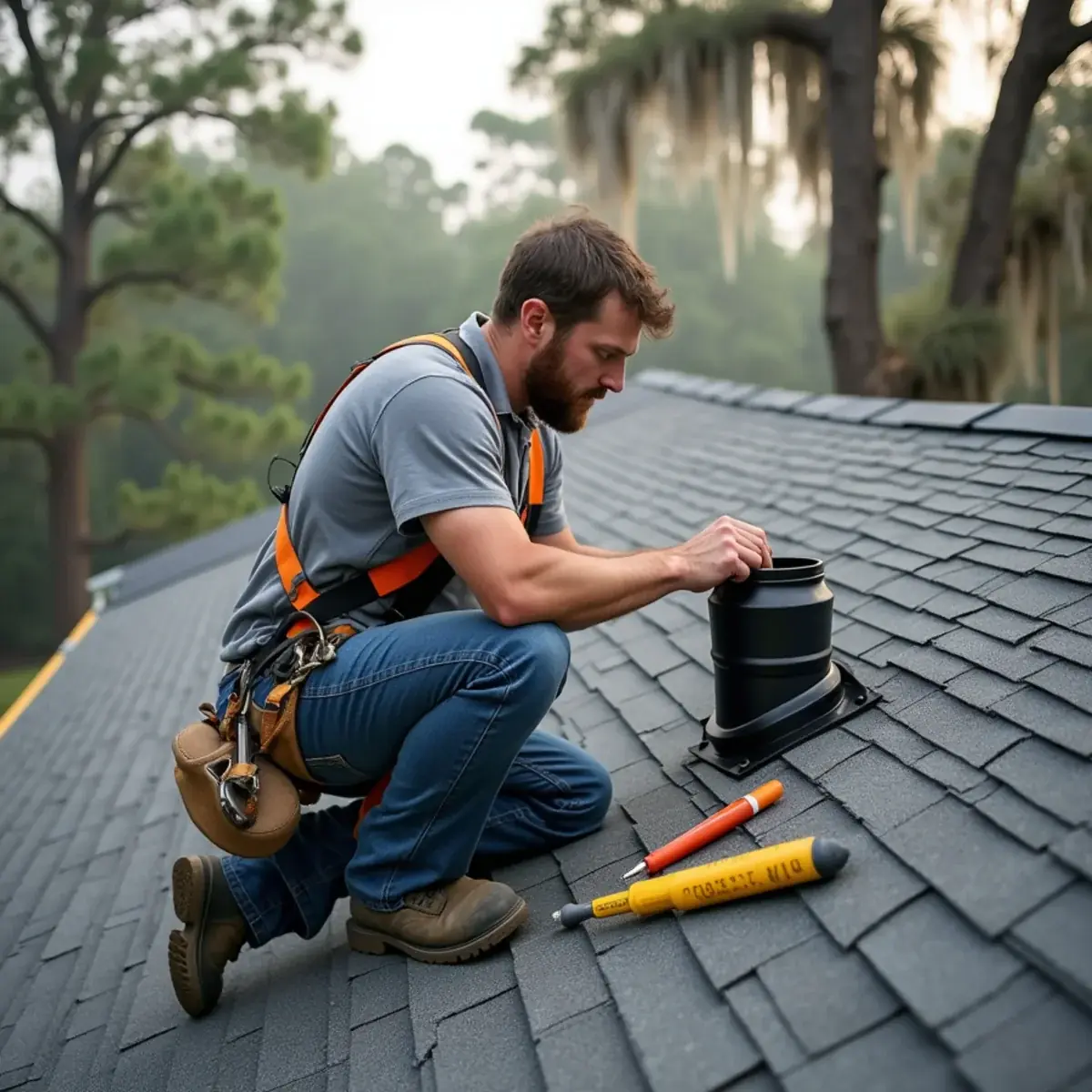
- The leak traces to one component: a cracked pipe boot, a loose piece of step flashing, a nail that backed out.
- Storm damage is limited to one slope, such as a few tabs torn off along the rake.
- The shingles around the problem still lie flat, hold their granules and bend without cracking.
- The deck feels solid when the roofer walks it, and the attic shows no widespread staining.
- The roof has needed little or no work in the past few years.
In those cases a targeted roof leak repair is the sensible call. It costs a fraction of a new roof and can buy several more years. Ask the roofer to photograph the area before and after so you can see what was done.
Signs It Is Time to Replace
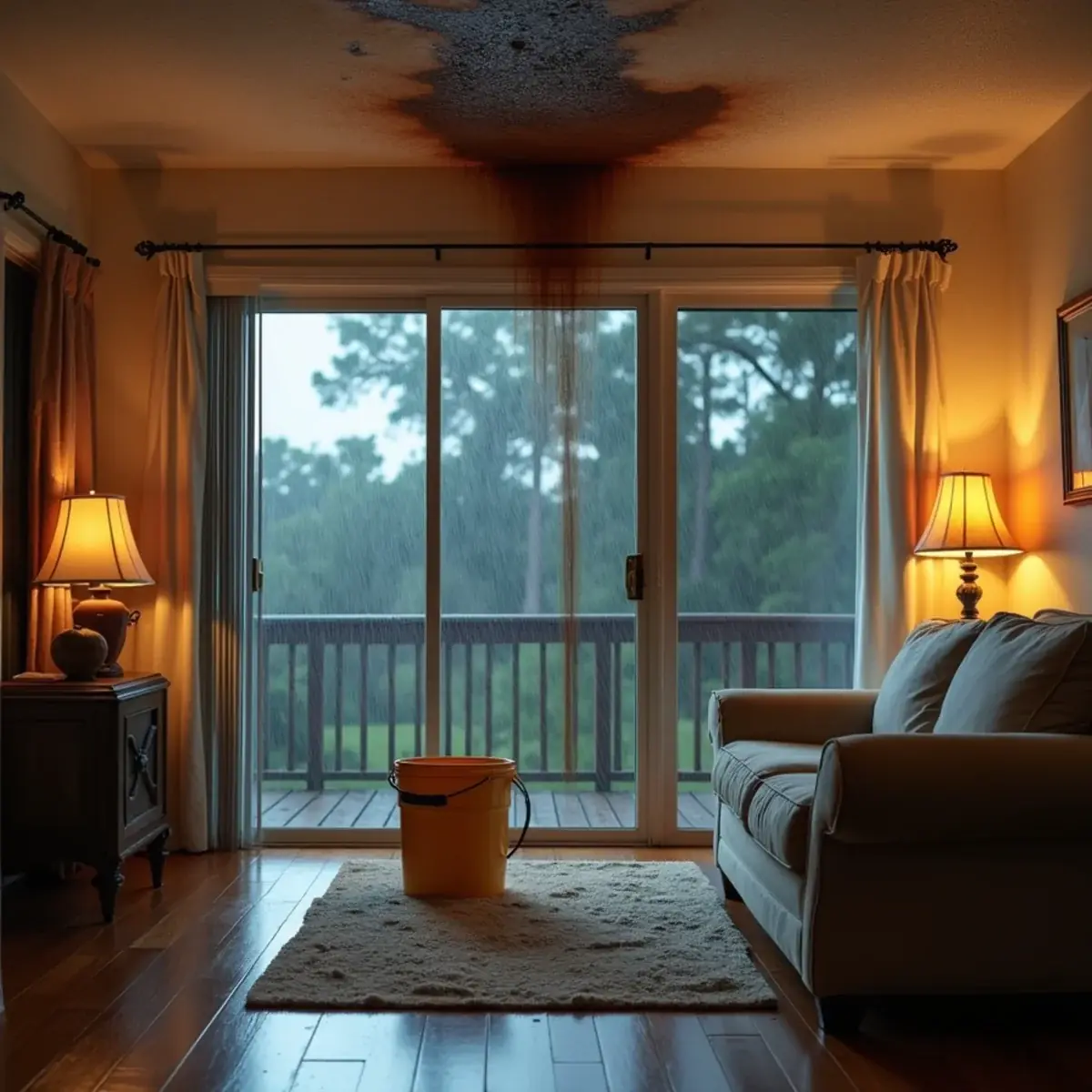
- You have had leaks in different places over the past couple of years, and each repair is followed by another.
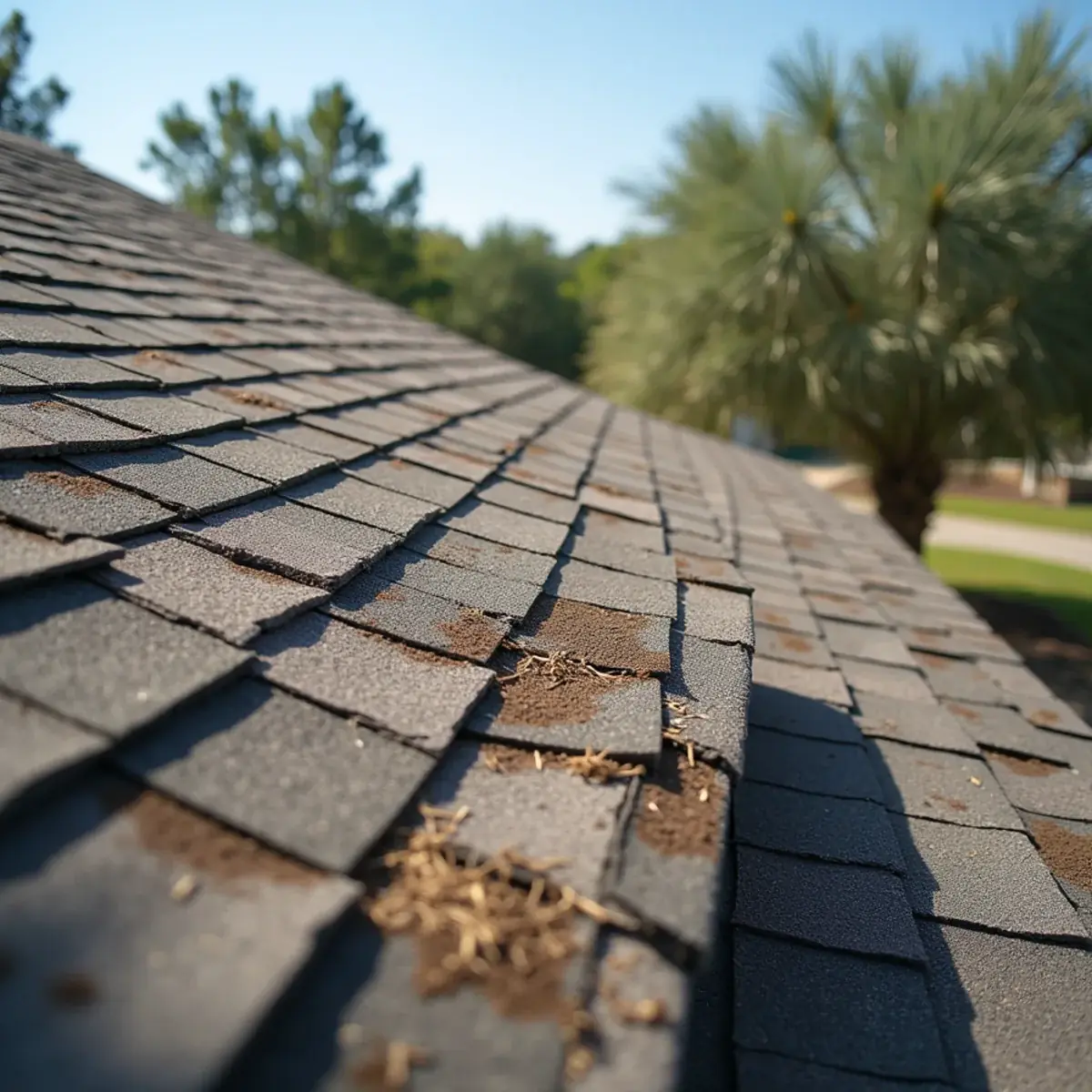
- Shingles are curling, cupping or cracking across entire slopes, not just one corner.
- Gutters and downspout outlets fill with granules after rain.
- Bare patches show the black mat underneath.
- The deck flexes underfoot in several areas, or the attic shows old water stains over a wide area.
- Your insurer has sent a letter about roof age or condition.
At that point, repairs mostly buy time until the next storm finds the next weak spot. A full roof replacement resets the clock for both the house and the insurer.
Questions That Tip the Decision
| Question | Leans repair | Leans replace |
|---|---|---|
| How many leaks in the last two years? | One, from a single cause | Several, in different spots |
| What do the shingles look like overall? | Flat, flexible, mostly intact | Curling, brittle, bare in places |
| What shape is the deck? | Solid apart from one small area | Soft or rotted in several places |
| What is your insurer saying? | Nothing, or a clean inspection | Non-renewal letter or condition questions |
| How long will you stay in the house? | Selling soon and the roof inspects well | Staying for years |
| When was the roof permitted? | After the 2007 Florida Building Code took effect | Before it, so code can expand a large repair |
How a Roofer Judges the Life Left in a Roof
A good repair-or-replace call is not a glance from the driveway. These are the checks a roofer makes on a 15 to 20-year-old Panhandle roof before recommending either way:
- Lift test. Gently lifting tab corners on several slopes shows whether the seal strips still hold and whether the shingle bends or cracks. Brittle tabs that snap mean the roof cannot take many more repairs.
- Granule check. Bald patches on the sunny slopes and granules piled at the downspouts show how much protective surface is left.
- Attic walk. Soft spots, delaminated plywood, old water stains and rusted nail tips tell the history the shingles hide.
- Flashing and boots. If every pipe boot is split and the wall flashing is rusting through, the roof is failing as a system, not at one point.
- Repair history. Patches of mismatched shingles and old roof cement show how often the roof has already been fixed.
Matching and warranties: the hidden cost of repairs
A repair on an older roof rarely matches perfectly; colors fade and lines get discontinued, so a patched slope can look patched. A repair also does not restart a manufacturer's warranty, and work by someone other than the original installer can affect a workmanship warranty, so check the paperwork before choosing. A common rule of thumb in the trade: when the repairs you are quoted start to approach a third of what replacement would cost, replacement usually deserves a serious look.
How Florida Code Changes the Math
Under s. 553.844(5), Florida Statutes (added by SB 4-D in 2022), the old rule that forced a whole roof section up to current code when 25 percent or more of it was repaired within 12 months no longer applies to every roof. If the existing roof was built, repaired or replaced under the 2007 Florida Building Code or later, which took effect March 1, 2009, only the repaired portion must meet current code. A roof permitted before that date can still be pulled into a full-section upgrade.
A full reroof carries its own code points. Depending on the house and location, Florida code can require the deck to be re-nailed to current standards and a secondary water barrier installed, along with drip edge and code-approved underlayment. Those upgrades add cost, but they also strengthen the roof against the next hurricane. Reroofs need a permit, issued by Santa Rosa County for Milton and the unincorporated communities, and the roofer normally pulls it.
What This Looks Like on a Pace Subdivision Home
Many neighborhoods in Pace went up in the 1990s and 2000s, and many of those homes were reroofed after Ivan and Dennis or in the years that followed. Take a typical hip-roof house there with original architectural shingles from that period. The south and west slopes, which take the afternoon sun, usually look worse than the north side. A pipe boot fails, a few tabs blow off in a summer squall, and the homeowner patches it. Two years later a valley starts to leak.
The right answer depends on what the roofer finds across all four slopes, not just at the leak. If the field shingles are still flexible, fix the valley. If every slope shows the same wear, putting money into the valley now means paying for another trip, another tear-out and another cleanup soon after.
Getting a Straight Answer on Your Roof
Start with a roof inspection that covers the whole roof and the attic, not just the leak. Ask for photos of each slope, the flashing and any soft deck. If the roof is borderline, ask for written prices for both the repair and the replacement so you can compare them side by side. Every roofer we send is licensed and insured in Florida, and you get the price in writing before work starts. Call (773) 207-0769 to set it up.
Frequently asked questions
Can I just replace the worst half of my roof?
Sometimes, but it is rarely the best value on an aging roof. New and old shingles will not match in color or wear, and the older side keeps aging toward failure. On roofs permitted before March 2009, a large partial replacement can also trigger code requirements for the whole section. A section replacement makes most sense when one slope took storm damage and the rest of the roof is fairly young.
Can new shingles go over my old ones?
Florida code generally allows one new layer over one existing layer only under specific conditions, and most Panhandle roofers recommend a full tear-off. Removing the old shingles lets the roofer inspect the deck, replace rotted wood, re-nail to current standards and add a secondary water barrier where required. A roof-over hides problems you will pay for later.
Will a new roof change my insurance premium?
It can. Insurers look at roof age and condition, and a wind mitigation inspection on form OIR-B1-1802 can document features like roof-deck attachment and secondary water resistance that may qualify for premium discounts. Results depend on your insurer and your house, so ask your agent how a new roof and an updated wind mitigation report would affect your policy.
My roof is 18 years old and has one leak. Should I repair or replace it?
Usually repair the leak, then plan. One leak at a boot or a piece of flashing on an otherwise sound 18-year-old roof is a contained fix. But at that age, ask for a whole-roof look at the same visit: lift tests, granule loss and the attic will tell you whether you have a few good years left or should budget for replacement before your insurer asks.
Will a roof repair void my roof warranty?
It can affect it. Manufacturer warranties often require repairs with compatible materials and proper installation, and a workmanship warranty from the original installer may not cover areas someone else has worked on. Find your warranty paperwork before the repair, and tell the roofer what it says, so the repair is done in a way that keeps whatever coverage is left.
Every roofer we send is licensed and insured in Florida. Zana Roofers connects you with independent licensed roofing contractors who perform the work.