Florida's 25 percent roof rule said that if 25 percent or more of a roof section was repaired or replaced within 12 months, the whole section had to be brought up to the current building code, which often meant replacing it. A 2022 law, s. 553.844(5), Florida Statutes, changed that for newer roofs. If your roof was built, repaired or replaced under the 2007 Florida Building Code or later (in effect from March 1, 2009), only the repaired portion has to meet current code. Older roofs can still trigger the full-section requirement.
This article is general information, not legal advice. Your insurer, your policy and the county building official have the final say on your house.
How the Old 25 Percent Rule Worked
The rule lived in the Florida Building Code's provisions for existing buildings. Building codes change every few years, and a patch on a 1990s roof could not simply be blended into a roof built to rules that no longer applied. So the code drew a line: repair less than a quarter of a roof section in a year and you could match the old work; cross 25 percent and the whole section had to meet the code in force today.
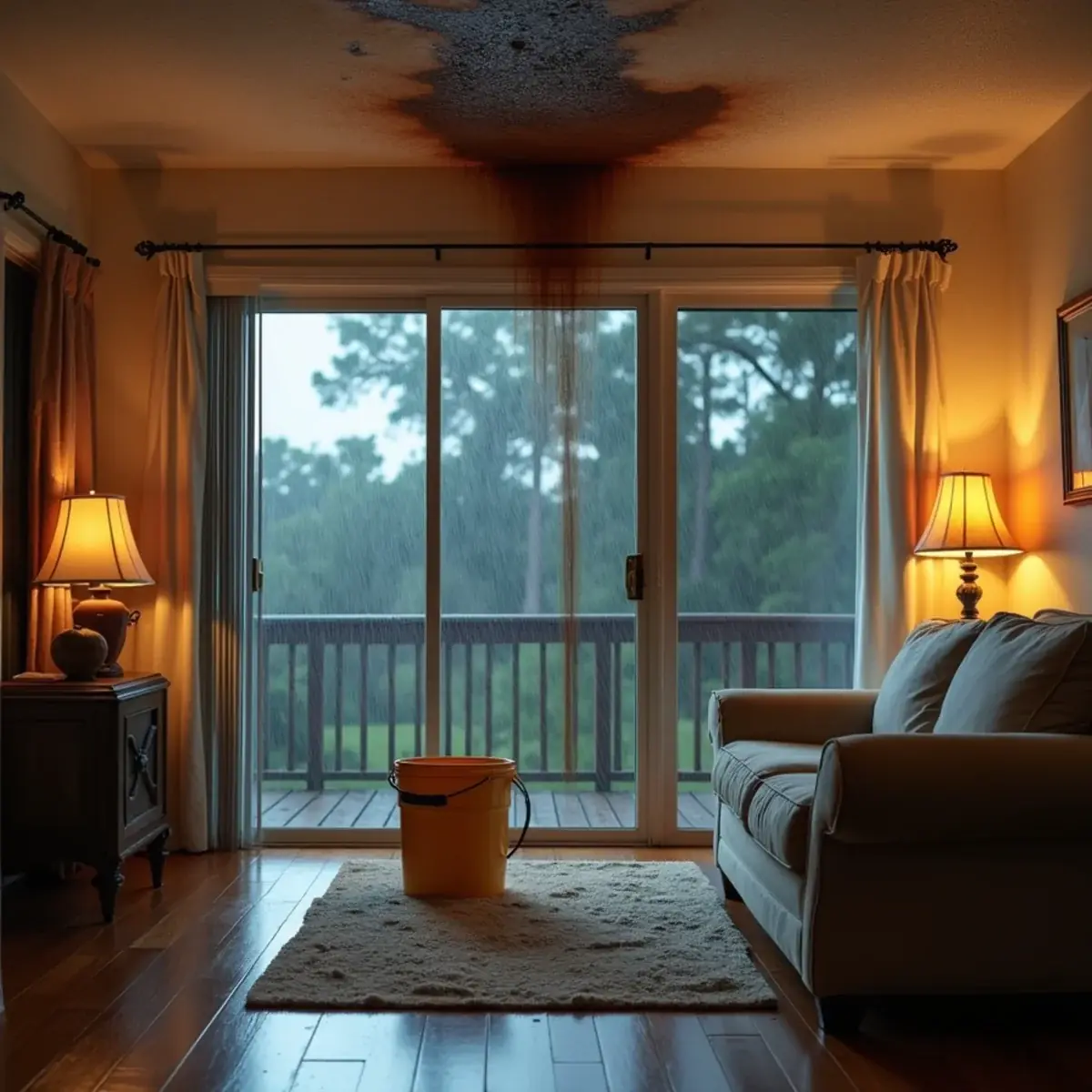
After a hurricane, that line carried real money. Picture a slope that lost a third of its shingles in a storm like Sally. Under the old rule, the homeowner was not looking at a patch. They were looking at tearing off the entire section, possibly re-nailing the deck and adding the underlayment current code calls for. Disputes over whether damage really reached 25 percent were common.
What Changed in 2022 Under SB 4-D
In a May 2022 special session, the Legislature passed SB 4-D. It created s. 553.844(5), which applies when 25 percent or more of a roof system or section is repaired, replaced or recovered. If the existing roof was built, repaired or replaced to the 2007 Florida Building Code or a later edition, only the portion being worked on must meet current code. The rest of the section can stay as it is.
| Existing roof | 25% or more of a section repaired in 12 months | What usually follows |
|---|---|---|
| Built or reroofed under the 2007 FBC or later (from March 1, 2009) | Only the repaired portion must meet current code | A repair scope limited to the damaged area |
| Built or reroofed before March 1, 2009 | The whole section can be required to meet current code | Often a full section, or full roof, replacement |
| Permit date unknown | Depends on what the records show | Find the permit before scoping the job |
What Counts as a Roof Section
The 25 percent is measured against a roof section, not the whole roof. The code defines a section by real divisions in the roof, such as a parapet wall, an expansion joint, a change in elevation or a change in roof type. It is not simply each slope you can see from the street.
- A simple hip roof with one shingle covering may count as one section, even though it has four slopes.
- A house with a low-slope porch roof and a shingled main roof usually has at least two sections.
- An addition built at a different height is often its own section.
How the section is drawn changes the math. Ask the roofer to show which sections they measured and how much of each one is damaged, with photos and square footage in the estimate.
How the 25 Percent Is Measured on a Real Roof
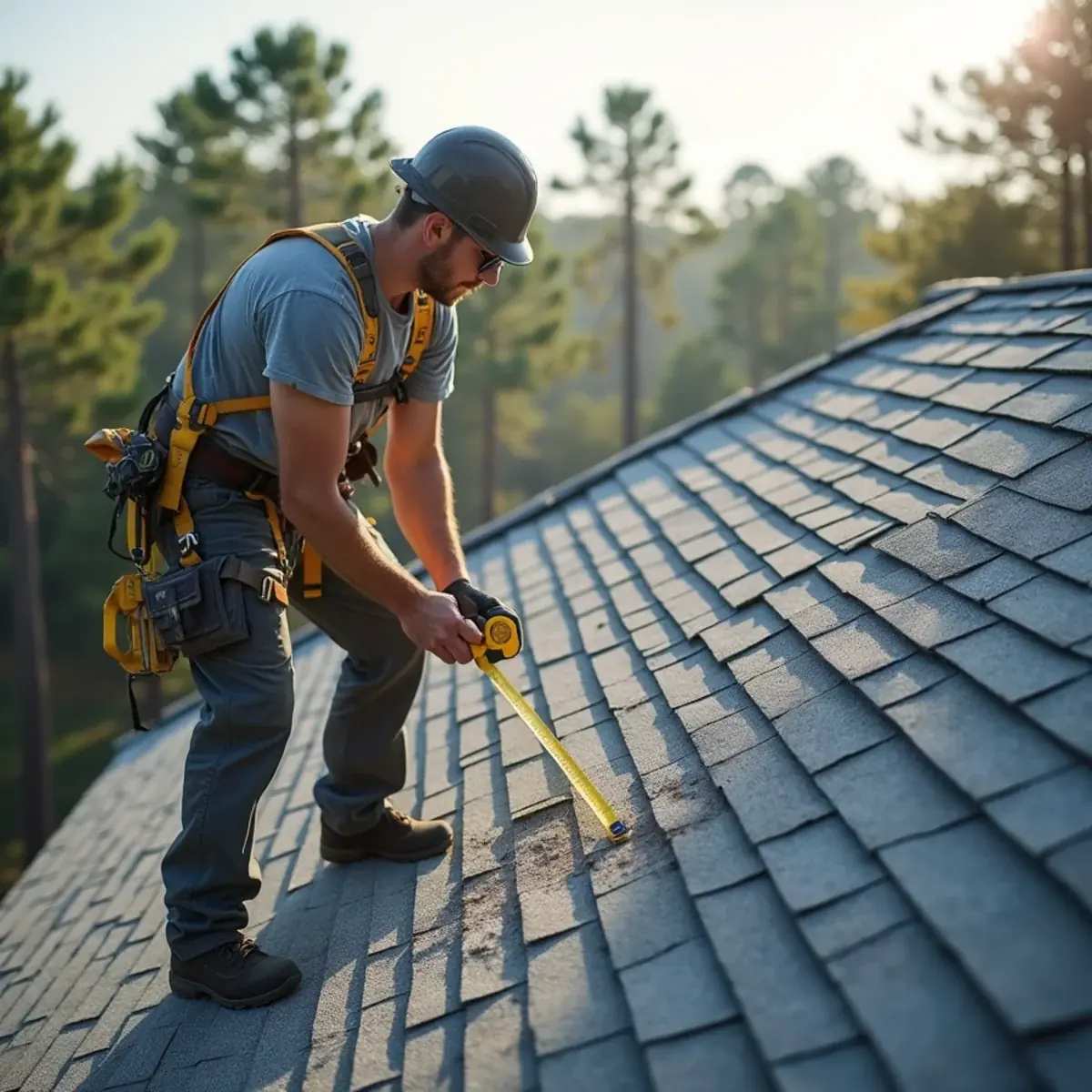
Roofers measure in squares, one square being 100 square feet of roof surface. The math is simple once the section is defined; the judgment is in defining it and counting everything that will actually be replaced.
- Measure the section. Say the storm-damaged side of a gable roof is one section of 14 squares.
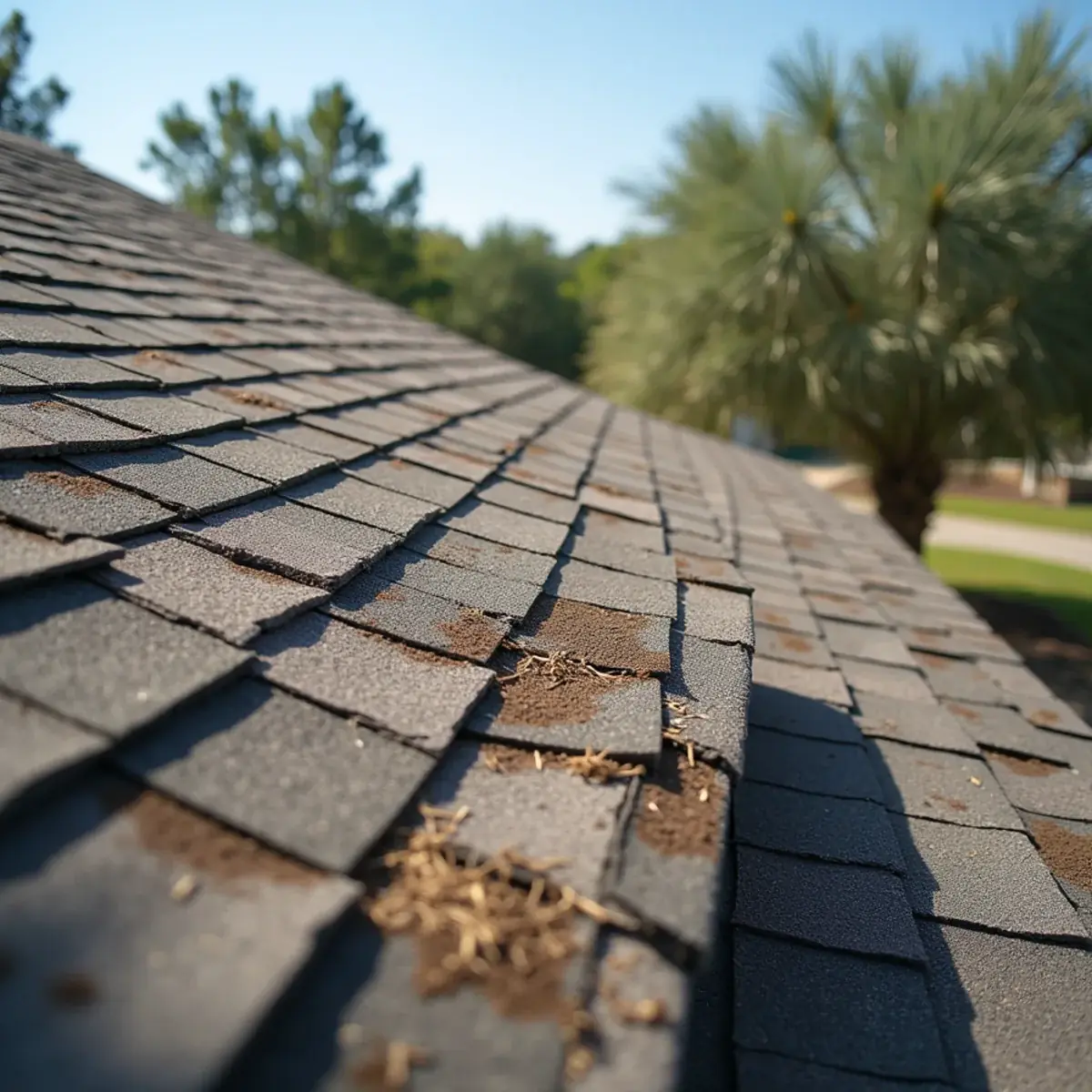
- Count what must be replaced, not just what is missing. Missing shingles might cover 2 squares, but creased shingles with broken seals around them add another 2. Shingles that cannot be removed without damaging their neighbors count too.
- Add earlier repairs in the same 12 months. If 1 square on that section was replaced after a spring storm, it counts.
- Compare. 2 + 2 + 1 = 5 squares, about 36 percent of a 14-square section, so the 25 percent threshold is crossed.
- Check the permit date. If the roof was permitted under the 2007 code or later, only the repaired area must meet current code. If it is older, the whole section may have to.
Ask the roofer to put the section measurements and the damaged squares in writing with photos. When a roof is near the line, that page is what everyone, from the building official to an adjuster, will want to see.
How to Find Out When Your Roof Was Permitted
The City of Milton does not issue its own building permits. Projects inside city limits start with City of Milton Planning, and Santa Rosa County Building (Development Services) issues the permit. Pace, East Milton, Bagdad and Navarre are unincorporated, so their permits come straight from the county. Homes inside Gulf Breeze city limits are the exception; ask the City of Gulf Breeze where its permit records are kept.
- Search Santa Rosa County's online permit portal by your address for a reroof permit and its final inspection date.
- If the portal does not go back far enough, call or visit Santa Rosa County Development Services and ask for the permit history.
- Check your closing papers, home inspection report or seller's disclosure, which often list the roof year.
- Look at a wind mitigation report if you have one. It usually records the roof permit date.
This matters a lot in Navarre. Many homes there were reroofed after Ivan in 2004 and Dennis in 2005, before the 2007 code took effect. Homes reroofed after Sally in 2020 fall under the newer code.
What It Means for Insurers and Repair Scopes
For a roof built under the 2007 code or later, a large partial repair can stay a partial repair. The code no longer forces the rest of the section to be replaced, so neither an insurer's scope nor a roofer's estimate should call for a full section on that ground alone.
For an older roof, the full-section requirement can still apply. Whether your policy pays for code-required upgrades depends on its terms, often found under ordinance or law coverage. Read that section or ask your agent. A roof installed before 2009 is also more than 15 years old, which brings in the inspection rules covered in our post on roof age and Florida home insurance.
When a full section or the whole roof has to come off, the job becomes a roof replacement, with a permit, deck inspection and current underlayment. When it is limited to the damaged area, it stays a storm damage roof repair.
What a Roofer Can and Cannot Tell You
A roofer can
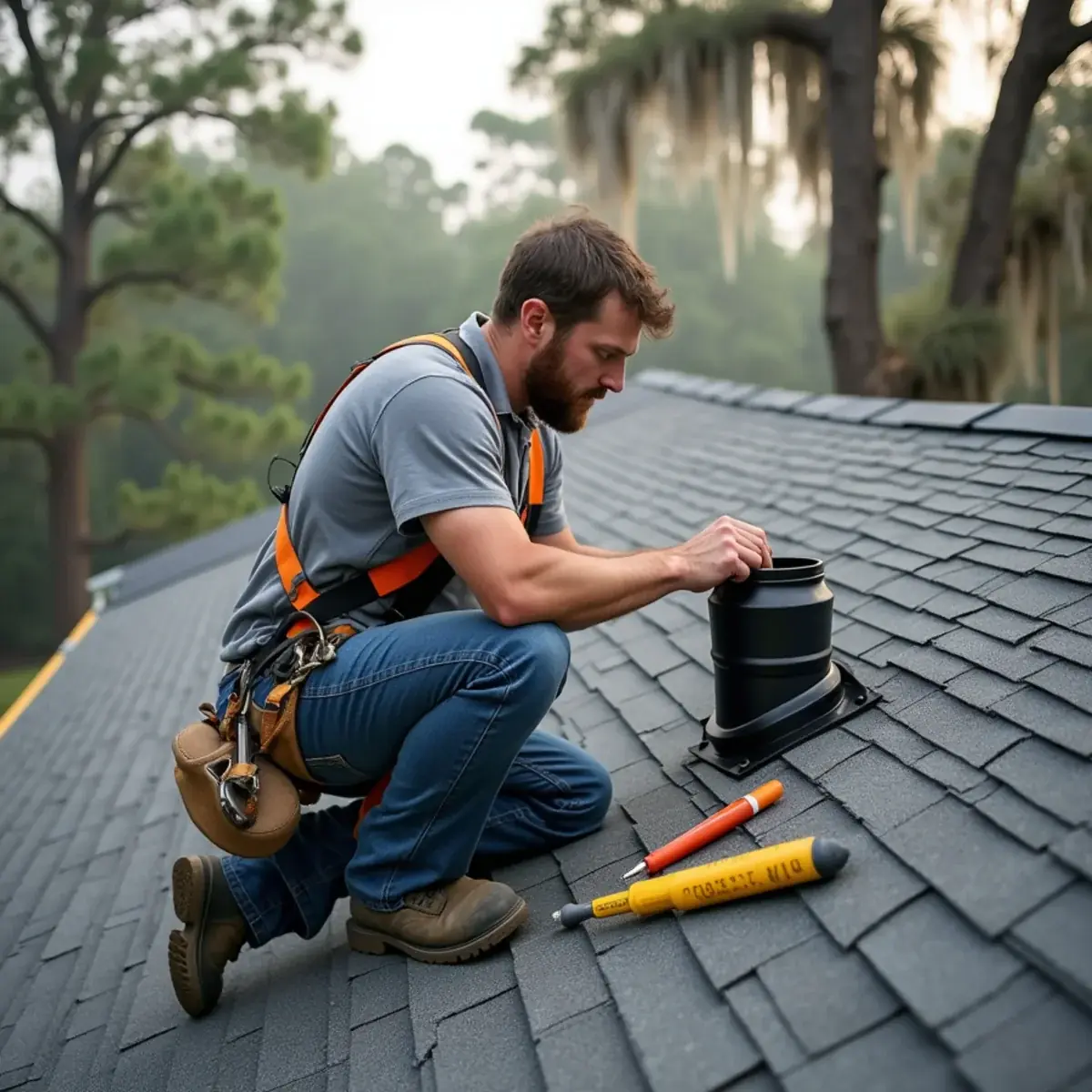
- Measure the damage and show how much of each roof section is affected.
- Find or help you find the roof's permit date.
- Explain what current code requires for the work they would permit.
- Document conditions with photos and write a repair estimate with the price in writing before work starts.
A roofer cannot
- Interpret your policy or say what the insurer will pay.
- Negotiate or adjust your claim. That takes a public adjuster license.
- Pay, waive or rebate your deductible.
You report any claim to your insurer and deal with it directly. Every roofer we send is licensed and insured in Florida.
The Bottom Line
The 25 percent rule now turns on one date: whether your roof was built, repaired or replaced under the 2007 Florida Building Code or later. Newer roofs can usually be repaired in part; older roofs can still be pushed into a full-section replacement after a large repair. Find your permit date before a storm, keep the paperwork, and when damage happens, get the section measurements in writing.
To have a roof measured and documented, call (773) 207-0769 or book a roof inspection. The roofer explains the code; your insurer decides what the policy pays.
Frequently asked questions
Does the 25 percent rule still apply in Florida?
Yes, but in a narrower way. For roofs built, repaired or replaced under the 2007 Florida Building Code or later, s. 553.844(5) says only the repaired portion must meet current code. For roofs installed before March 1, 2009, repairing 25 percent or more of a section within 12 months can still require the whole section to meet current code.
What if my roof was replaced before March 2009?
Then the old full-section requirement can still apply if 25 percent or more of a roof section is repaired within 12 months. That does not automatically mean a new roof. It depends on how the sections are drawn and how much damage each one has. A roofer can measure and document it, and your insurer decides what the policy pays.
Can my roofer tell me whether insurance will pay for a full replacement?
No. A roofer can measure damage, explain code requirements and write an estimate, but cannot interpret your policy or negotiate your claim. Only your insurer decides what it pays, and a licensed public adjuster is the person who can represent you in a claim. Call (773) 207-0769 if you need a roofer to document your roof.
Does the 25 percent rule apply to metal and tile roofs?
Yes. The rule is about roof systems and sections, not one material, so it applies to shingle, metal and tile roofs alike. What changes is how a section is drawn and how much has to come off to make a proper repair; metal panels and tile often need more removed around the damage than shingles do.
Is the 25 percent counted over 12 months?
Yes. The threshold counts the repairs and replacements made to a roof section within a 12-month period, not just one job. Two smaller repairs months apart can add up and cross 25 percent. Keep invoices and photos of every roof repair, with dates, so the count can be shown.
Every roofer we send is licensed and insured in Florida. Zana Roofers connects you with independent licensed roofing contractors who perform the work.